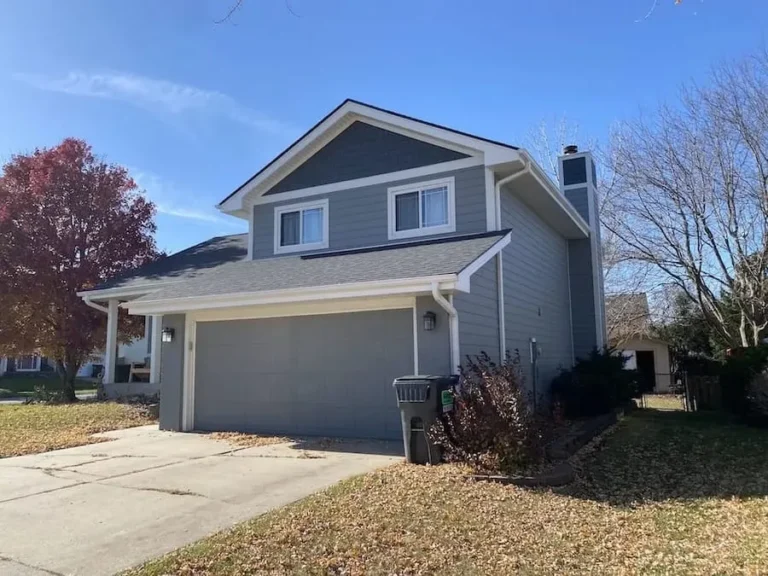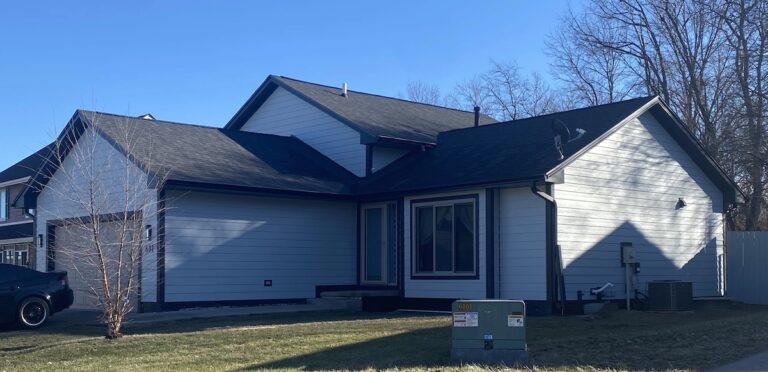
Painted siding can keep your home looking sharp, but it needs the right care to stay that way. The best maintenance tips include regular cleaning, routine inspections, quick repairs, and careful touch-up painting when needed. With simple siding maintenance, you can protect the finish, reduce damage, and help your exterior hold its fresh look longer.
Why Painted Siding Needs Regular Maintenance
Your siding protects your home from weather, water, debris, mold, and daily exposure to the sun. Over time, even quality paint can show signs of wear. You may notice fading peeling, small cracks, stains, or areas where the surface looks dull.
Good maintenance helps homeowners catch these issues before they become expensive. When siding is ignored, small problems can turn into water damage, rot, or premature replacement. This is especially true for wood siding, where exposed areas can absorb moisture faster than vinyl or other materials.
A simple yearly routine can help your siding last longer and keep your exterior looking clean and well cared for.
How Often Should it be Cleaned?
Painted siding should be cleaned approximately once every year, although some homes may need attention more often. If your house sits near trees, heavy shade, salt air, or busy roads, dirt and mold can build up faster.
A yearly cleaning gives you a chance to remove grime before it settles into the surface. It also helps you inspect the siding regularly for cracks, soft spots, or other signs of damage.
For most homes, regular cleaning once per year is enough. In areas with heavy weather exposure, you may want to rinse problem areas between deeper washes.
The Best Way to Clean Painted Siding Regularly
Start with a gentle approach. Painted surfaces can be damaged by harsh pressure, rough tools, or strong chemicals. Most of the time, a garden hose, mild soap, and a soft bristle brush are enough.
Use a diluted solution of soap and water for most painted siding. If you see mold or stubborn staining, oxygen bleach can be a safer option than harsher cleaners. Always test a small hidden area first before cleaning large sections.
Work from the bottom up when washing, then rinse from the top down with a garden hose. This helps avoid streaking and keeps dirty water from running over clean walls.
For tougher spots, gently scrub the area instead of forcing it. Brushing too hard can shorten the life of the finish.
Siding Maintenance Tips for Pressure Washing
Pressure washing may seem like an easy shortcut, but it can cause damage if used incorrectly. Too much pressure can force water behind the siding, chip paint, or scar wood.
If you use a pressure washer, keep the pressure low and avoid spraying upward into the seams. Never hold the nozzle too close to the siding. The goal is to clean the exterior, not blast away the protective coating.
Vinyl is easy to rinse, and vinyl siding should be rinsed carefully without forcing water behind the panels. Painted wood needs even more care because exposed areas can absorb moisture and lead to peeling or rot.
Watch for Fading, Peeling, and Cracking
One of the most important parts of maintenance is knowing what to look for. Fading is normal over time, especially on walls that get direct sun. Peeling, cracking, bubbling, or soft spots are bigger concerns.
These signs may mean the paint is no longer protecting the siding. Once moisture gets behind the coating, the material can break down faster. This can lead to damage that requires repairs before painting can be done again.
Small touch-ups can help extend paint life when the underlying siding is still in good shape. Do not ignore bare spots, exposed edges, or areas around trim. These are common places for water to enter.
Regular Cleaning of Gutters and Landscaping
Siding maintenance is not only about the siding itself. Your gutters, landscaping, and drainage also affect how well your exterior holds up.
Clogged gutters can overflow and send water down the walls. Bushes and trees can trap moisture against the home. Branches can scrape painted siding during storms or windy weather.
Keep plants trimmed back so air can move around the walls. Remove debris from the base of the house. Make sure downspouts move water away from the foundation and painted areas.
These simple habits reduce moisture problems and help prevent mold from returning quickly after cleaning.
Know When Touch-Ups Are Enough
Touch-up painting works best when the problem is small and the siding is still sound. A few chips, scratches, or worn edges can often be addressed without repainting the whole home.
Before adding paint, maintenance of the surface should be undertaken first. Clean, dry, and properly prepared. Loose material should be removed, and any exposed areas should be primed when needed. Skipping preparation can cause the new coating to fail faster.
Touch-ups should blend with the existing color, but older paint may have faded. In some cases, a small repair may still be visible. If many walls show wear, full repainting may make more sense.
When Painted Siding Needs More Than Maintenance
Maintenance can protect your siding, but it cannot fix every problem. If you see widespread peeling, soft wood, warped boards, deep cracks, or recurring mold, the issue may go beyond paint care.
In those cases, the siding may need repair before any new painting begins. Covering damaged material with a fresh coat only hides the problem for a short time. The same issue will usually come back.
A professional can inspect the exterior and determine whether the home needs cleaning, repairs, repainting, or partial replacement. This is especially helpful when weather damage is involved or when moisture keeps returning in the same areas.